Home / Applications / Data Buoys & Met-Ocean Platforms
Application
Data Buoys & Met-Ocean Platforms
Self-powered data buoys and met-ocean platforms that monitor the surface, read the instruments below, and push data ashore — deployable by hand, from a vessel, or from an uncrewed surface vehicle.
The challenge
What makes it hard
A monitoring buoy has to generate its own power, survive at the surface, talk to shore, and ideally read the subsea sensors beneath it — all autonomously, often across a fleet. Teams running uncrewed surface vehicles want to drop buoys on the fly and have them wake and report without a technician on site.
How RemoteCon fits
The approach
LacusOrb buoys are solar-charged and report over cellular or Iridium to a cloud dashboard, carrying surface and water metrics (temperature, turbidity, salinity, and an oil-in-water option). They read the ANIK pack and compatible subsea instruments over MODBUS, and a magnetic switch holds the buoy in deep shutdown until an autonomous vehicle or diver releases it — so it starts capturing data the moment it deploys. NOR panels keep both the buoy and the subsea battery charged.
- Self-powered & connectedSolar-charged, reporting to the cloud over cellular or Iridium.
- Reads the system belowMODBUS link to the ANIK pack and compatible subsea sensors.
- Deploy from a USV or droneDeep-shutdown until released, then wakes and reports automatically.
- Fleet-readyBuilt for multi-buoy monitoring programmes.
Deployed from uncrewed surface vehicles and specified for multi-buoy monitoring programmes.
Products for this application
What goes in the water
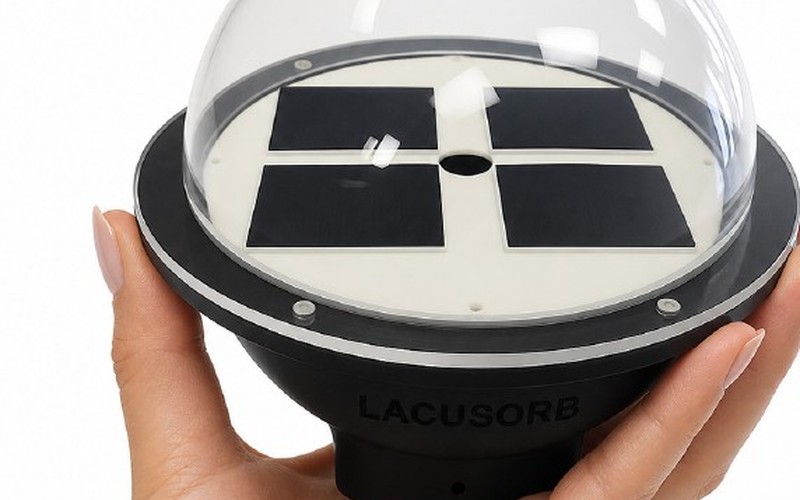
LacusOrb Monitoring Buoy
LacusOrb is a self-powered, solar-charged monitoring buoy (150 mm and 300 mm) that streams real-time environmental data to the cloud over satellite or cellular, with a modular multi-sensor payload.
View product →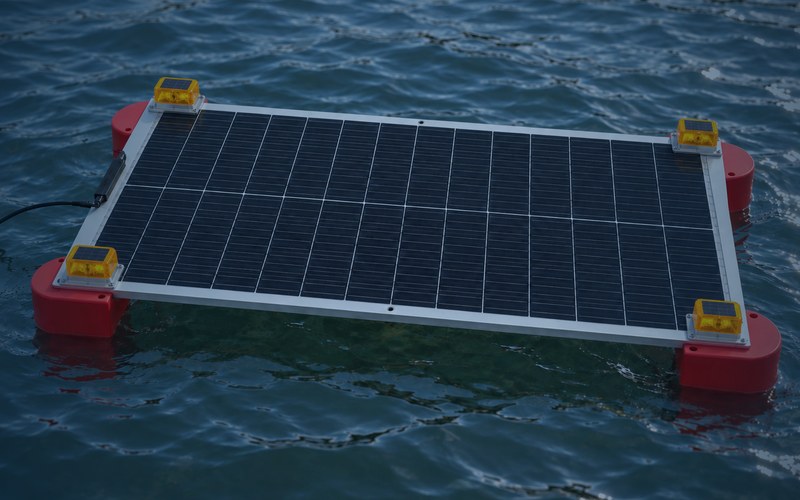
NOR Floating Solar Panel
NOR floating solar panel recharges ANIK subsea battery packs in place — 100 W or 200 W, marine-encapsulated, with optional remote battery monitoring. Longer deployments, smaller batteries.
View product →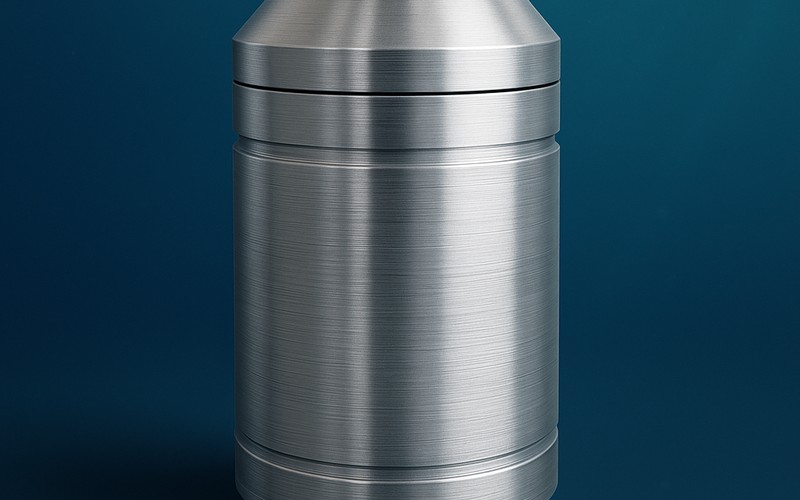
ANIK Subsea Battery Packs
Rechargeable subsea battery packs, 100 Wh to 1.8 kWh, that charge in place and report their own health — for seabed instruments, hydrophones, CTDs and moorings. Depth-rated to 6000 m.
View product →Planning a deployment like this?
Tell us your sensors, depth, and duration, and we will help you specify the power, logging, and telemetry around them.