AVIN is a configurable subsea platform that is two things at once: an edge AI / ML node and an advanced multi-sensor data logger. Through a managed PoE switch it connects up to eight Gigabit Ethernet devices — cameras, sonars, hydrophones and other sensors — synchronises them with IEEE 1588 PTP timing, and records their time-aligned streams to an internal NVMe SSD of up to 10 TB. The same platform runs computer vision, acoustic analysis and machine-learning models in real time, so it can store everything, or process at the edge and keep only what matters. Power is flexible: run it from an internal rechargeable battery (300 Wh or 1 kWh), as a compute-only node from external power, or paired with an ANIK pack for long-duration endurance. Everything sits in a pressure-rated Aluminium or Titanium enclosure, depth-rated to 6000 m, running an open Linux / Ubuntu stack for your own software.
- Edge AI / ML computingRuns computer vision, acoustic analysis, and machine-learning models locally for real-time decisions, with no dependence on cloud or surface processing.
- Advanced multi-sensor data loggerRecords time-synchronised acoustic, video, and sensor streams to internal NVMe SSD (up to 10 TB) — log everything, or process at the edge and keep only mission-relevant data.
- Managed PoE sensor hubA managed switch connects up to 8 Gigabit Ethernet / PoE devices — cameras, sonars, hydrophones — with per-port power control and VLAN / network management.
- Works with any sensor — not just PoEEach MCBH port is configurable: carry Ethernet / PoE, or dedicated DC power plus PPS / SYNC timing and auxiliary I/O instead — so sensors without PoE or PTP still power up and stay synchronised.
- Precision timing (IEEE 1588 PTP)Hardware PTP for time-aligned acquisition, plus configurable PPS / SYNC output to sub-nodes and external sensors; optional GNSS for a surface or subsea time reference.
- Flexible power architectureRun from an internal rechargeable battery (300 Wh / 1 kWh), as a compute-only node on external power, or paired with an ANIK subsea battery pack for extended endurance.
- Remote power managementSoftware-controlled power that can enable or disable individual sensor ports to cut consumption during autonomous deployments.
- Low-power / duty-cycled operationConfigurable duty cycling lets the computer and sensors sleep between acquisitions and wake on the mission schedule for long deployments.
- Service & recovery connectorA dedicated subsea service port provides force recovery, USB device / recovery, system power control, and serial debug — maintenance without opening the enclosure.
- Open Ubuntu softwareLinux / Ubuntu with Docker, ROS, Python, C++, TensorFlow, PyTorch, ONNX Runtime and OpenCV — deploy your own GPU-accelerated AI models, with optional RemoteCon integration support.
- Subsea-rated platformCompute, PoE networking, recording, timing and power in a pressure-rated Aluminium or Titanium enclosure, depth-rated to 6000 m.
Model range
| AVIN100 | AVIN500 | AVIN1800 | |
|---|---|---|---|
| Internal battery | — | 300 Wh | 1 kWh |
| System memory | 4–64 GB | 4–64 GB | 4–64 GB |
| SSD (NVMe) | 0 / 2 / 10 TB | 0 / 2 / 10 TB | 0 / 2 / 10 TB |
| Ports (configurable) | 2 / 4 / 8 GbE | 2 / 4 / 8 GbE | 2 / 4 / 8 GbE |
| Port modes | PoE / DC / PPS·SYNC | PoE / DC / PPS·SYNC | PoE / DC / PPS·SYNC |
| Timing | IEEE 1588 PTP | IEEE 1588 PTP | IEEE 1588 PTP |
| External battery | ANIK (opt.) | ANIK (opt.) | ANIK (opt.) |
| Operating system | Linux Ubuntu | Linux Ubuntu | Linux Ubuntu |
| Housing | Aluminium / Titanium | Aluminium / Titanium | Aluminium / Titanium |
| Depth options | 300–6000 m | 300–6000 m | 300–6000 m |
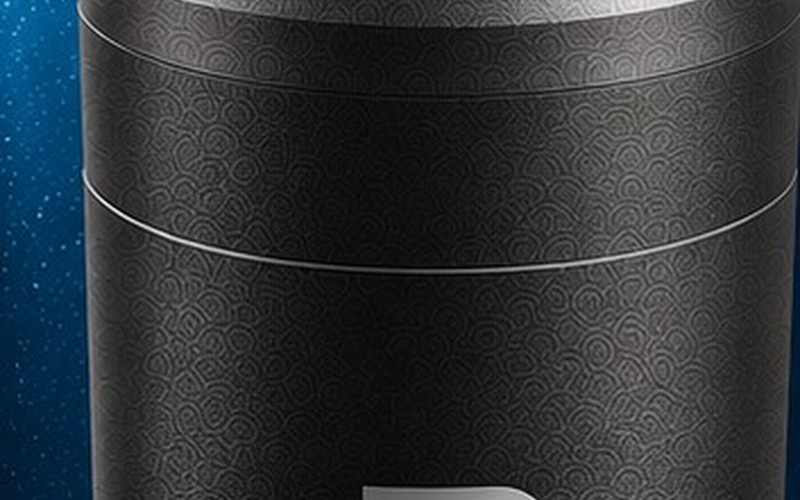
- Type
- Subsea edge AI computer & multi-sensor data logger
- Models
- AVIN100 / AVIN500 / AVIN1800
- System memory
- 4–64 GB
- Storage
- NVMe SSD, up to 10 TB
- Internal battery
- 300 Wh (AVIN500) / 1 kWh (AVIN1800)
- External battery
- ANIK subsea packs (optional)
- Networking
- 2 / 4 / 8 Gigabit ports — PoE (802.3af/at), or DC + PPS/SYNC per port
- Timing
- IEEE 1588 PTP; PPS / SYNC output; optional GNSS
- Power management
- Software-controlled, per-port
- Operating system
- Linux (Ubuntu)
- Housing
- Aluminium / Titanium
- Depth rating
- 300 / 1000 / 2000 / 6000 m
Specifications subject to change without notice.
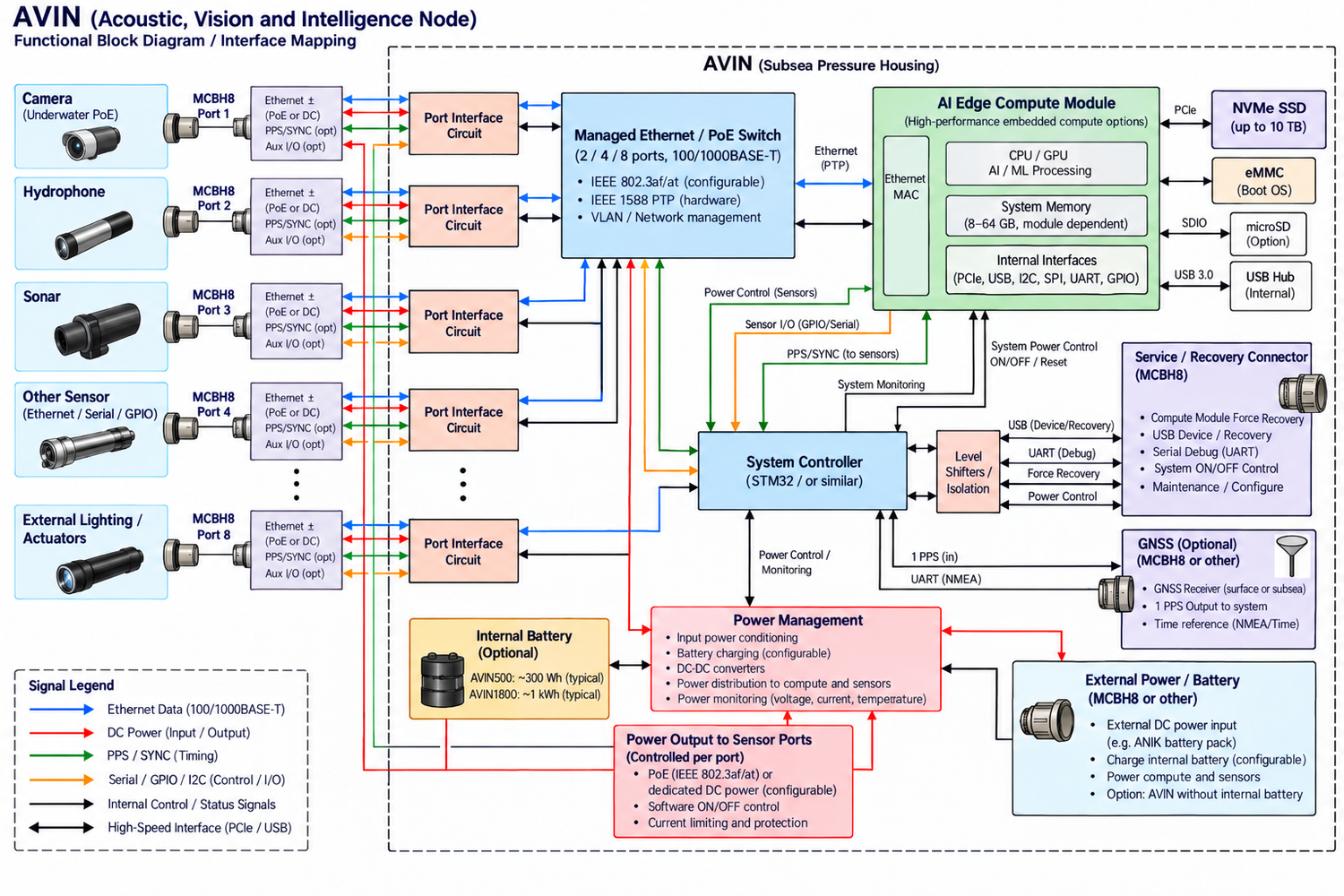
System architecture
Interfaces & functional diagram
FAQ
Subsea edge AI & data logger FAQs
Is AVIN an AI computer or a data logger?
Both. AVIN runs AI / ML at the edge and also works as an advanced multi-sensor data logger, recording time-synchronised acoustic, video and sensor streams to internal NVMe storage — you can log everything, process at the edge, or both.
How much data can AVIN record?
Up to 10 TB on internal NVMe SSD, with hardware-timestamped, time-aligned recording of multiple video, acoustic and sensor streams for real-time processing or post-mission analysis.
Which sensors can AVIN connect and synchronise?
Up to eight Gigabit Ethernet / PoE devices — cameras, sonars, hydrophones and other Ethernet or serial sensors — through a managed PoE switch, with IEEE 1588 PTP timing and configurable PPS / SYNC to sub-nodes.
My sensor doesn't support PoE or PTP — can AVIN still power and synchronise it?
Yes. AVIN's MCBH ports are configurable per port: a port can deliver dedicated DC power instead of PoE, and AVIN can output PPS / SYNC timing to a sensor that does not speak IEEE 1588 PTP. So a sensor without PoE or PTP still gets the power it needs and stays time-aligned with the rest of the array.
How is AVIN powered?
From an internal rechargeable battery (300 Wh on AVIN500, 1 kWh on AVIN1800), as a compute-only node on external power, or paired with an ANIK subsea battery pack for long-duration endurance. Internal batteries charge over PoE or with our chargers.
Can AVIN run autonomously for long deployments?
Yes. Remote per-port power management and configurable duty-cycled operation let the computer and sensors sleep between acquisitions and wake on schedule, with automatic startup and watchdog recovery.
What software does AVIN run?
An open Linux / Ubuntu stack with Docker, ROS, Python, C++, TensorFlow, PyTorch, ONNX Runtime and OpenCV, so you can deploy your own GPU-accelerated AI / ML models; RemoteCon can also provide integration support.
Also in the lineup
Related products
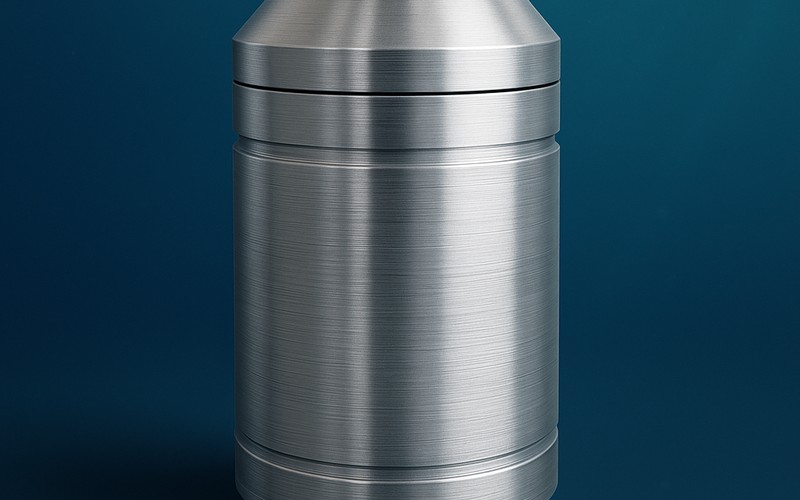
ANIK Subsea Battery Packs
Rechargeable subsea battery packs, 100 Wh to 1.8 kWh, that charge in place and report their own health — for seabed instruments, hydrophones, CTDs and moorings. Depth-rated to 6000 m.
View product →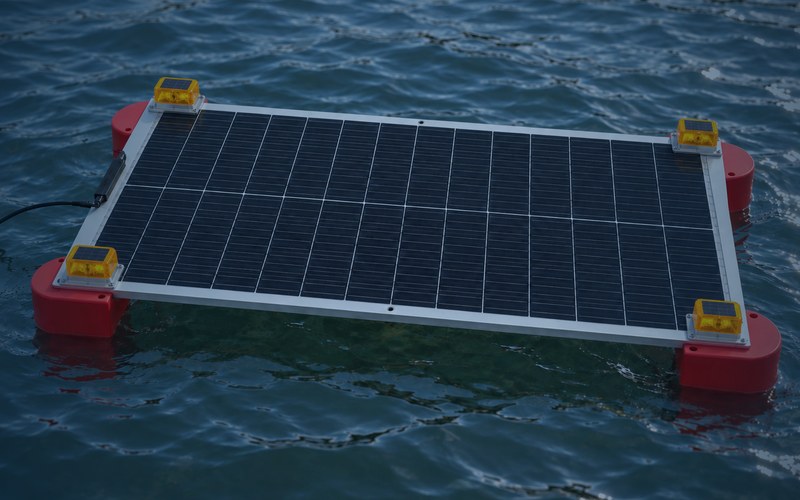
NOR Floating Solar Panel
NOR floating solar panel recharges ANIK subsea battery packs in place — 100 W or 200 W, marine-encapsulated, with optional remote battery monitoring. Longer deployments, smaller batteries.
View product →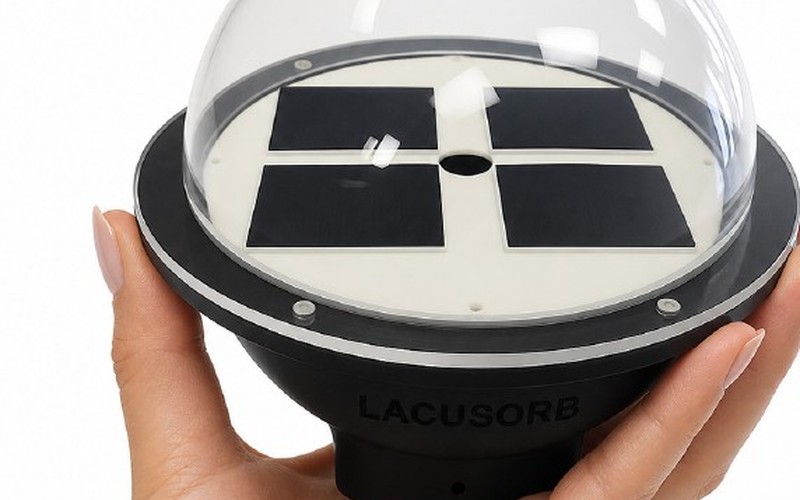
LacusOrb Monitoring Buoy
LacusOrb is a self-powered, solar-charged monitoring buoy (150 mm and 300 mm) that streams real-time environmental data to the cloud over satellite or cellular, with a modular multi-sensor payload.
View product →
SAMIN Subsea Smart eFuse
SAMIN subsea smart eFuse — a resettable, programmable, remote-controlled electronic fuse with predictive monitoring for subsea machinery. Up to 850 VDC and 300 A, depth-rated to 4000 m.
View product →
Marinus-DC Subsea Step-Down Converters
Marinus-DC subsea step-down converters take a 400 or 800 VDC bus down to isolated 24 or 48 VDC for auxiliary electronics, control systems, and battery charging — up to 75 A, 4000 V isolation, depth-rated to 6000 m.
View product →
VoltMaris Subsea DC-AC Inverters
VoltMaris subsea DC-AC inverters deliver clean pure-sine AC power from DC battery systems — 115/230 VAC, single-phase and three-phase, 50/60 Hz, depth-rated to 2000 m.
View product →
DeepTorque Subsea Motor Drivers
DeepTorque subsea motor drivers for underwater propulsion, thrusters, pumps, winches and actuators — low-voltage, 400 VDC and 800 VDC, up to 20 kW and 150 Arms, depth-rated to 2000 m.
View product →