VoltMaris turns a DC bus or battery into clean, utility-grade AC, so you can run AC-powered equipment subsea without redesigning it. It takes a 12, 24, or 48 VDC input (higher voltages as special versions) and delivers a pure sine-wave output at 115 or 230 VAC, 50 or 60 Hz, regulated to ±3% voltage and ±0.1% frequency, with galvanic isolation between the DC input and AC output. Three single-phase power levels — 250 W, 460 W, and 1500 W (1PH250 / 1PH500 / 1PH1600) — cover everything from a single survey instrument to a subsea skid. For a higher-voltage bus such as 400 VDC, pair VoltMaris with a Marinus-DC step-down converter to drop the bus to a 12 / 24 / 48 V input, then invert to AC; custom versions, including three-phase, are available on request. Typical uses: powering AC survey instruments on an ROV from the vehicle’s 48 VDC bus (for example, a cable tracker run from a vehicle that provides only DC power) in a standalone subsea housing; running legacy AC instruments from an ANIK battery pack without a redesign; and driving pumps, lighting, and actuators on subsea skids and landers. The inverter sits in a pressure-rated cylindrical enclosure, depth-rated to 2000 m, and connects through deep-sea connectors (MCBH standard, with other versions available).
- Pure sine-wave output115 / 230 VAC at 50 / 60 Hz, regulated to ±3% voltage and ±0.1% frequency — clean enough for sensitive AC instruments.
- Galvanic isolationIsolation between the DC input and AC output for safe integration alongside sensitive sensors and shared buses.
- Runs from 12 / 24 / 48 VDCInput versions for 9.2–17, 17.4–34, or 36.8–62 VDC — an ROV 48 V bus or an ANIK battery pack (higher voltages as special versions).
- Higher-voltage buses via Marinus-DCFor a 400 VDC bus, pair VoltMaris with a Marinus-DC step-down converter: it drops the bus to a 12 / 24 / 48 V VoltMaris input, then VoltMaris inverts to AC.
- Three power levels250 W, 460 W, and 1500 W continuous (1PH250 / 1PH500 / 1PH1600), up to 91% efficient.
- Startup & surge capabilityHandles motor and instrument inrush, so pumps, actuators, and survey gear start reliably.
- ECO modeIdles at about 2 W on battery systems to preserve runtime; disable it for inductive loads that need the inverter fully active.
- Standards-testedEMC to EN 55014-1/2 and IEC 61000-6-1/2/3; safety to IEC 60335-1 and IEC 62109-1.
- Subsea connectorsDeep-sea connectors in different versions — MCBH standard — for DC input and AC output; custom pinouts and cables on request.
- Custom & three-phase versionsBeyond the standard single-phase range, RemoteCon designs custom versions on request — including three-phase solutions and non-standard input or output voltages.
- Pressure-rated enclosureCylindrical Aluminium or Titanium housing, depth-rated to 2000 m; other depths on request.
Model range
| 1PH250 | 1PH500 | 1PH1600 | |
|---|---|---|---|
| Continuous power | 250 W | 460 W | 1500 W |
| Max efficiency | 85% | 87% | 91% |
| No-load / ECO mode | 6 W / 2 W | 8 W / 2 W | 14 W / 2 W |
| Weight (air / water) | 4.7 / 1.6 kg | 5.5 / 2.4 kg | 10.5 / 3.1 kg |
| DC input | 12 / 24 / 48 VDC | 12 / 24 / 48 VDC | 12 / 24 / 48 VDC |
| AC output | 115 / 230 VAC | 115 / 230 VAC | 115 / 230 VAC |
- Type
- Subsea DC-AC inverter (pure sine)
- Continuous power
- 250 / 460 / 1500 W (1PH250 / 1PH500 / 1PH1600)
- AC output
- 115 / 230 VAC, 50 / 60 Hz
- Output regulation
- ±3% voltage, ±0.1% frequency
- DC input
- 12 / 24 / 48 VDC (9.2–17 / 17.4–34 / 36.8–62 VDC); 400 VDC via Marinus-DC step-down
- Isolation
- Galvanic, DC input to AC output
- Efficiency
- up to 91%
- Idle / ECO
- as low as 6 W / 2 W
- Standards
- EMC EN 55014, IEC 61000-6; safety IEC 60335-1, IEC 62109-1
- Connectors
- Deep-sea connectors, different versions (MCBH standard)
- Enclosure
- Cylindrical Aluminium / Titanium
- Dimensions
- 150 mm dia × 470 mm (1PH250)
- Operating temp.
- -15 to 35 °C
- Depth rating
- 300 / 1000 / 2000 m
Specifications subject to change without notice.
FAQ
Subsea inverter FAQs
What is a subsea DC-AC inverter?
A subsea DC-AC inverter is a sealed, pressure-rated unit that converts a DC bus or battery into clean AC underwater, so you can run AC-powered equipment subsea. VoltMaris outputs a pure sine wave at 115 or 230 VAC, 50 or 60 Hz.
What DC input does VoltMaris run from?
12, 24, or 48 VDC versions (9.2–17, 17.4–34, or 36.8–62 VDC); higher voltages as special versions. It runs from an ROV 48 V bus or an ANIK battery pack.
Which model do I need for a 250 W load?
Size for the continuous load plus any startup surge. The 1PH250 covers a steady 250 W; if the load is uncertain or has significant inrush (motors, pumps), choose the 1PH500 for headroom.
Can I use it near sensitive sensors?
Yes. VoltMaris provides galvanic isolation between the DC input and AC output and is tested to EMC standards (EN 55014, IEC 61000-6). For very sensitive acoustic or EM sensors, mount the inverter a short distance away and route AC cabling apart from sensor cabling.
Can it start motors and handle inrush?
Yes — it has startup and surge capability for inductive loads. For motors and pumps, disable ECO mode so the inverter stays fully active rather than idling down.
What connectors does it use?
Deep-sea connectors are available in different versions, with MCBH as the standard, for DC input and AC output; custom pinouts and cables are available on request.
Can VoltMaris run from a 400 VDC bus?
VoltMaris inputs are 12, 24, or 48 V. For a higher-voltage bus such as 400 VDC, pair it with a Marinus-DC step-down converter: Marinus-DC reduces the bus to a VoltMaris input, and VoltMaris inverts it to AC.
Do you offer three-phase or custom versions?
Yes. Beyond the standard single-phase range, RemoteCon designs custom versions on request, including three-phase solutions and non-standard voltages.
Also in the lineup
Related products
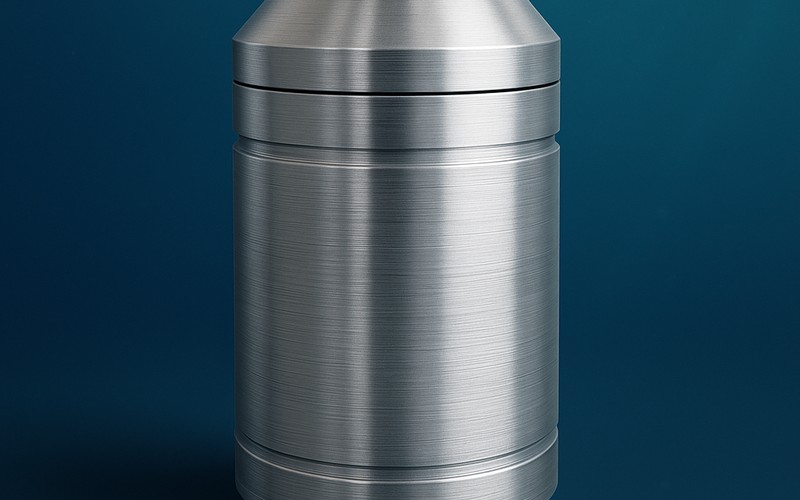
ANIK Subsea Battery Packs
Rechargeable subsea battery packs, 100 Wh to 1.8 kWh, that charge in place and report their own health — for seabed instruments, hydrophones, CTDs and moorings. Depth-rated to 6000 m.
View product →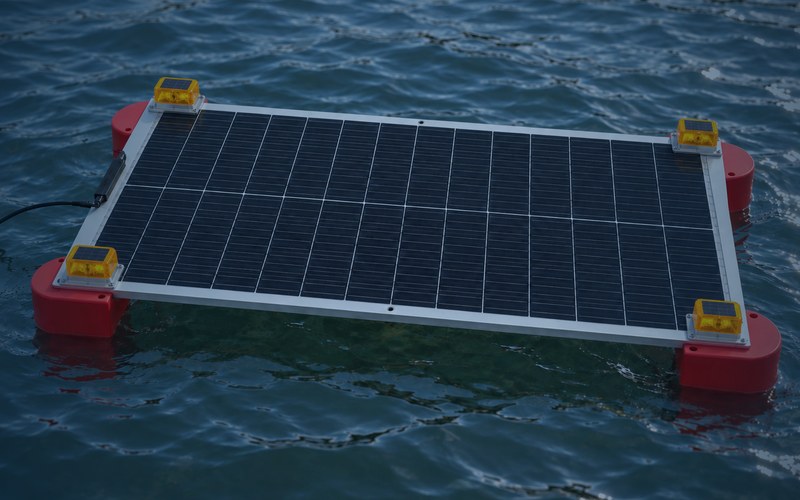
NOR Floating Solar Panel
NOR floating solar panel recharges ANIK subsea battery packs in place — 100 W or 200 W, marine-encapsulated, with optional remote battery monitoring. Longer deployments, smaller batteries.
View product →
AVIN Subsea Edge AI & Data Logger
AVIN is a subsea edge-AI computer and advanced data logger: a managed PoE sensor hub that records time-synchronised acoustic, video and sensor data to NVMe (up to 10 TB) and runs AI / ML at the edge. 2 / 4 / 8 Gigabit ports, depth-rated to 6000 m.
View product →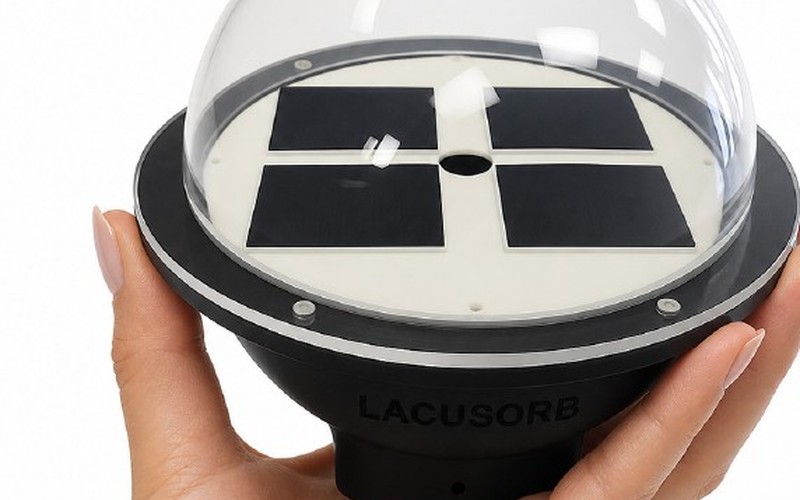
LacusOrb Monitoring Buoy
LacusOrb is a self-powered, solar-charged monitoring buoy (150 mm and 300 mm) that streams real-time environmental data to the cloud over satellite or cellular, with a modular multi-sensor payload.
View product →
SAMIN Subsea Smart eFuse
SAMIN subsea smart eFuse — a resettable, programmable, remote-controlled electronic fuse with predictive monitoring for subsea machinery. Up to 850 VDC and 300 A, depth-rated to 4000 m.
View product →
Marinus-DC Subsea Step-Down Converters
Marinus-DC subsea step-down converters take a 400 or 800 VDC bus down to isolated 24 or 48 VDC for auxiliary electronics, control systems, and battery charging — up to 75 A, 4000 V isolation, depth-rated to 6000 m.
View product →
DeepTorque Subsea Motor Drivers
DeepTorque subsea motor drivers for underwater propulsion, thrusters, pumps, winches and actuators — low-voltage, 400 VDC and 800 VDC, up to 20 kW and 150 Arms, depth-rated to 2000 m.
View product →