Home / Applications / Oil-in-Water & Spill Response
Application
Oil-in-Water & Spill Response
Oil-in-water monitoring and spill-response buoys — self-powered, satellite-connected, and ready to deploy in numbers so a response team can see where the oil is and where it is going.
The challenge
What makes it hard
Spill preparedness runs on stockpiles: equipment held ready, then deployed fast and in quantity when it is needed. Tracking buoys for that role have to be autonomous, robust, able to sense oil-in-water, and report position and readings back without any local infrastructure — at a unit price that works when you buy them by the dozen.
How RemoteCon fits
The approach
A LacusOrb configured for oil-in-water (with turbidity and temperature) is solar-charged and reports over satellite or cellular, so each buoy runs itself and streams to a common dashboard. The platform is designed to be built and held in quantity for rapid deployment, and the same buoy family covers routine environmental monitoring between incidents.
- Oil-in-water sensingPurpose configured for oil-in-water, with turbidity and temperature.
- Reports from anywhereSatellite or cellular telemetry to a shared dashboard.
- Self-poweredSolar charging for unattended, long-standby readiness.
- Built for quantitySuited to response stockpiles and mass deployment.
Piloted with an oil major and targeted for industry oil-spill response stockpiles.
Products for this application
What goes in the water
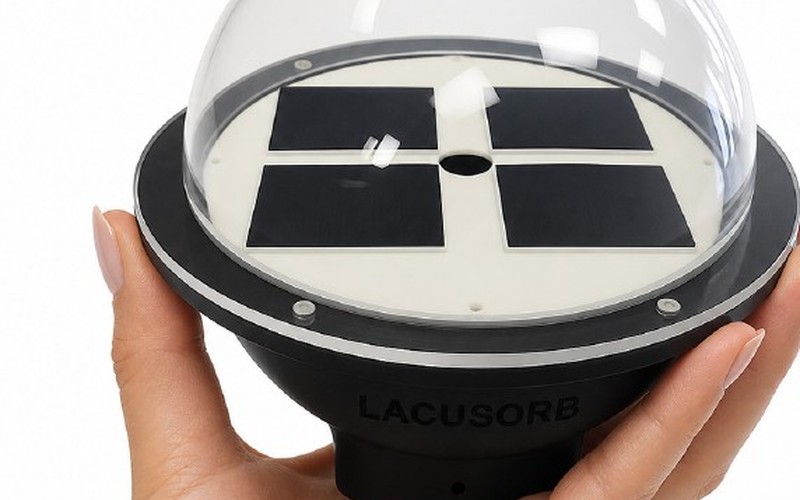
LacusOrb Monitoring Buoy
LacusOrb is a self-powered, solar-charged monitoring buoy (150 mm and 300 mm) that streams real-time environmental data to the cloud over satellite or cellular, with a modular multi-sensor payload.
View product →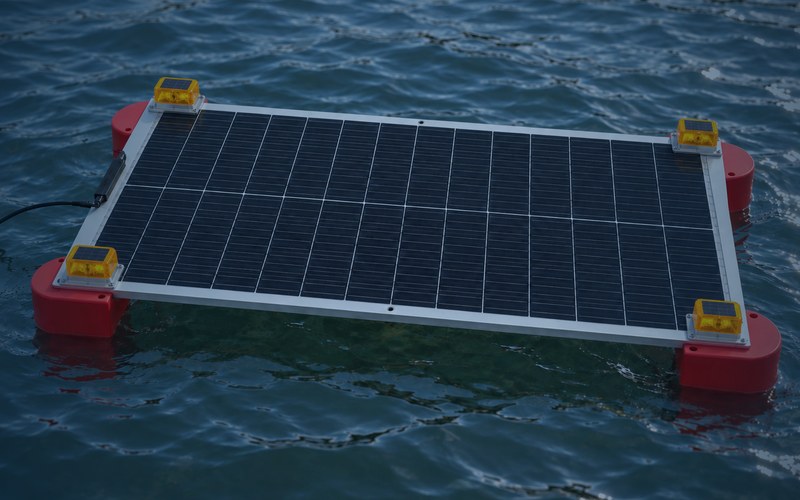
NOR Floating Solar Panel
NOR floating solar panel recharges ANIK subsea battery packs in place — 100 W or 200 W, marine-encapsulated, with optional remote battery monitoring. Longer deployments, smaller batteries.
View product →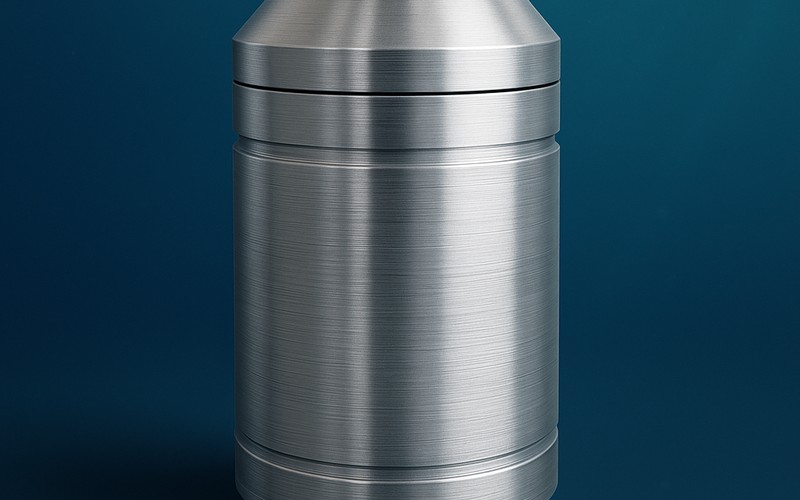
ANIK Subsea Battery Packs
Rechargeable subsea battery packs, 100 Wh to 1.8 kWh, that charge in place and report their own health — for seabed instruments, hydrophones, CTDs and moorings. Depth-rated to 6000 m.
View product →Planning a deployment like this?
Tell us your sensors, depth, and duration, and we will help you specify the power, logging, and telemetry around them.