Home / Applications / Seabed & Oceanographic Monitoring
Application
Seabed & Oceanographic Monitoring
Long-duration seabed monitoring for CTDs and oceanographic instruments that need to stay down and keep working. Recharge in the field, watch the battery from shore, and turn a fixed-duration deployment into an open-ended one.
The challenge
What makes it hard
Stationary, non-cabled instruments — CTDs, dissolved-oxygen, turbidity and current sensors — are limited by one thing: how long their power lasts. Recovering an instrument just to swap or charge cells is a vessel day most programmes cannot spare, and in busy shipping lanes a small surface panel risks being run over. Operators also want to know the battery is healthy before they commit a boat to recovery.
How RemoteCon fits
The approach
An ANIK pack powers the instrument and recharges in place from a NOR floating solar panel — power-path charging means it tops up the battery while still running the sensor, so duration becomes open-ended. A LacusOrb buoy reads the pack over MODBUS and pushes state-of-charge, plus surface and water metrics, to the cloud several times a day over cellular or satellite. Integrated marker lights answer the collision risk, and the whole set can integrate into one housing — no separate marker buoy needed.
- Recharge in the fieldNOR solar tops up the pack while it powers the instrument — open-ended deployments.
- See the battery from shoreLacusOrb reports state-of-charge and water metrics to the cloud daily.
- Safe in shipping lanesIntegrated marker lights and buoy housing address vessel-traffic risk.
- Depth-rated & re-cellable1000–6000 m builds; packs are re-celled at end of life, not discarded.
Chosen for multi-month North Sea seabed CTD monitoring and long-duration oceanographic deployments.
Products for this application
What goes in the water
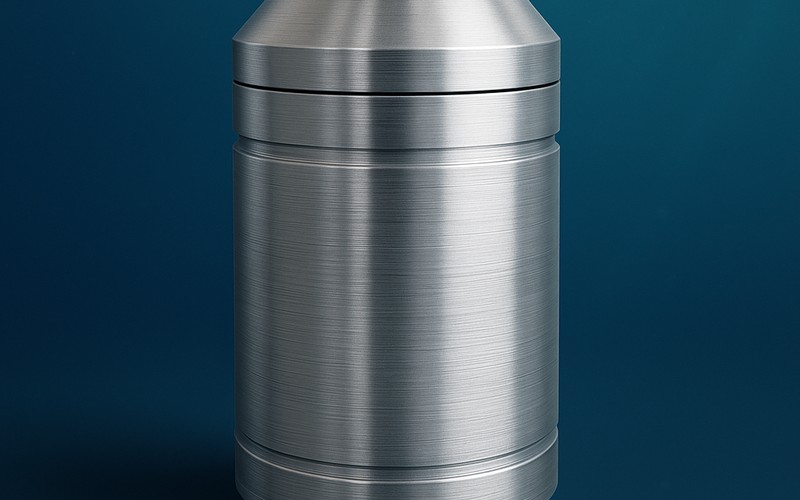
ANIK Subsea Battery Packs
Rechargeable subsea battery packs, 100 Wh to 1.8 kWh, that charge in place and report their own health — for seabed instruments, hydrophones, CTDs and moorings. Depth-rated to 6000 m.
View product →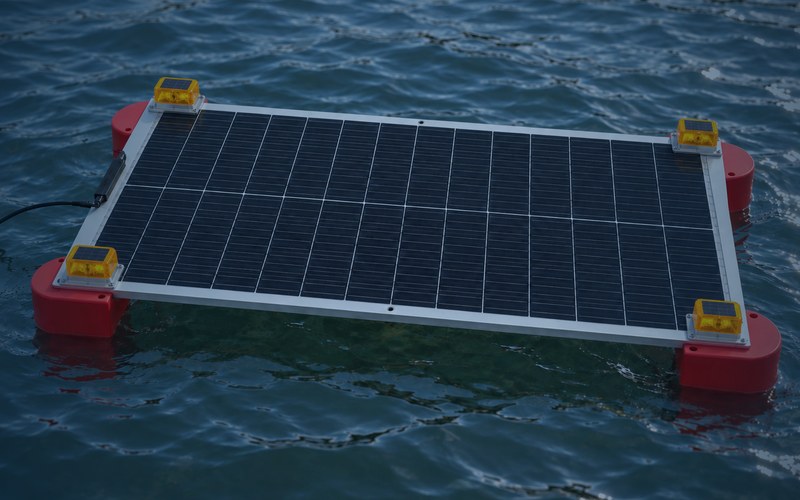
NOR Floating Solar Panel
NOR floating solar panel recharges ANIK subsea battery packs in place — 100 W or 200 W, marine-encapsulated, with optional remote battery monitoring. Longer deployments, smaller batteries.
View product →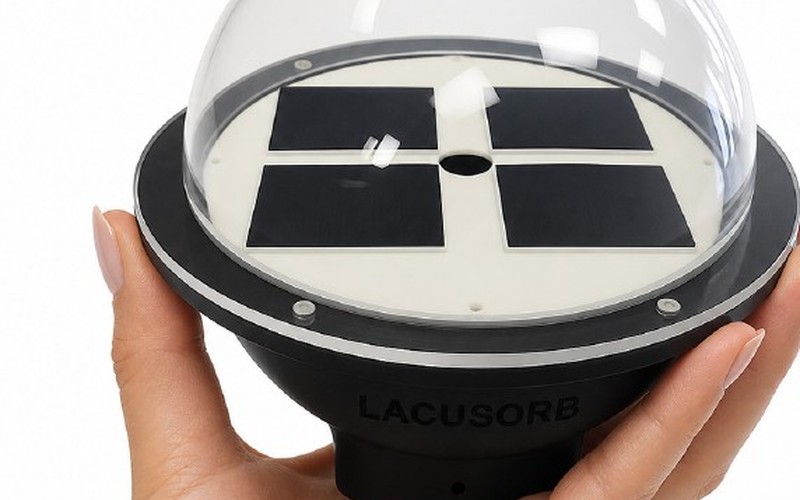
LacusOrb Monitoring Buoy
LacusOrb is a self-powered, solar-charged monitoring buoy (150 mm and 300 mm) that streams real-time environmental data to the cloud over satellite or cellular, with a modular multi-sensor payload.
View product →Planning a deployment like this?
Tell us your sensors, depth, and duration, and we will help you specify the power, logging, and telemetry around them.